
RESPIRAMI Beyond Smog: The New Health Risks of Multi-Pollution
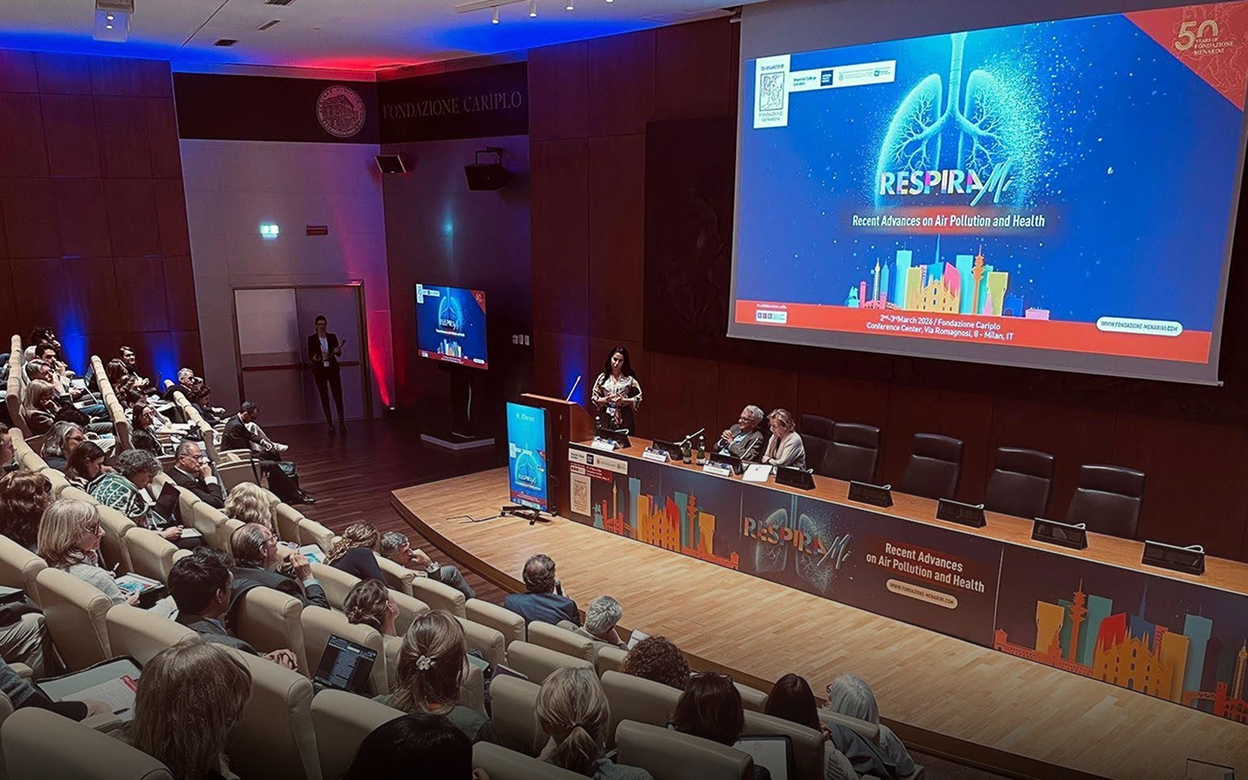
Air pollution is one of the leading global health challenges, and the figures leave little room for doubt. For the first time, microplastics and chemical pollutants have been included in European guidelines as cardiovascular risk factors, linked to 5.5 million deaths worldwide each year. It is a complex issue, one that touches millions of lives and grows ever harder to tackle as modern life evolves.

To take stock of the latest scientific evidence, Fondazione Menarini and Imperial College London’s Environmental Research Group (ERG) convened researchers, clinicians and specialists from across several countries in Milan on 2–3 March 2026. Now in its sixth edition, the international conference RESPIRAMI – Recent Advances on Air Pollution and Health offered a platform to examine the increasingly close relationship between air quality and human health.
The programme featured new studies and updated data on how pollution affects the human body, research that shows smog does not merely impair breathing but also takes a significant toll on the cardiovascular system and many other areas of health.
Speakers at the conference framed air pollution as one of the most pressing public health challenges of our time, with well-documented consequences for cardiac, respiratory and neurological disease.
Pollution in all its forms
The conference provided a rare opportunity to discuss the emerging notion of multi-pollution, the cumulative effect of environmental factors that, when combined, can raise the risk of disease.
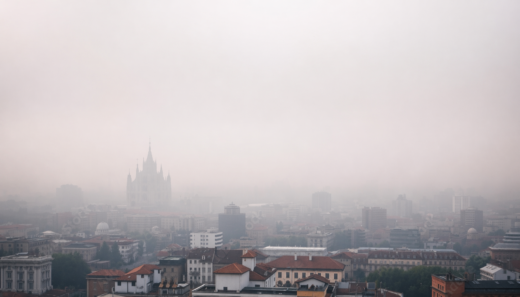
Alongside smog, researchers are paying growing attention to other elements: noise pollution, excess artificial light, microplastics, and the chemicals present in our environment. According to the studies presented at the meeting, all these factors can contribute to higher cardiovascular risk and worsen chronic conditions that are already widespread in the general population.
One of the central themes to emerge was how pollutant particles interact with the body. The risk of serious disease is tangible, as Professor Stefano Del Prato — President of Fondazione Menarini and Professor Emeritus of Endocrinology at the University of Pisa — pointed out: «Pollutants, broadly speaking, alter the body by increasing inflammation and oxidative stress,mechanisms we know lie at the heart of conditions such as diabetes».
Urban smog is no longer the only factor in play: the conference also addressed environmental conditions that are often overlooked. Excessive noise, for instance, has been shown to affect blood pressure and cardiovascular function, while light pollution alters circadian rhythms and interferes with the sleep–wake cycle, with possible consequences for metabolism, stress and quality of life.
Professor Del Prato expanded on the point, noting that light pollution may also contribute to obesity, another chronic disease that weighs heavily on individual well-being. «Recent data suggest that exposure to light (particularly artificial light, and especially at night) promotes weight gain», he explained, adding that it also encourages «poor eating habits: think of snacking, that constant nibbling, and the extra calories it adds up to». The issue, he noted, is especially relevant for younger people, who spend long hours in front of screens.
RESPIRAMI 2026: Looking forward
The conference did more than map out the problem: it also opened up space to discuss how to mitigate the health impact of pollution.
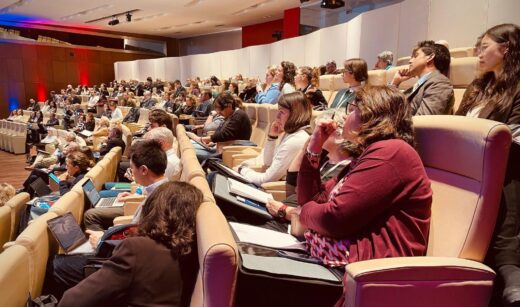
Among the solutions on the table were urban planning measures, sustainable mobility policies and initiatives to improve air quality in cities, alongside new research focused on prevention and the protection of public health.
Fostering dialogue between the scientific community, institutions and civil society is one of the core objectives of Fondazione Menarini. Through events such as RESPIRAMI, the Foundation helps spread scientific literacy, raise awareness of issues that affect us all, and bring concrete solutions forward for the future.
Find out more about the event on the Fondazione Menarini website.