
World Sleep Day 2026: The Power of Good Sleep for a Better Life
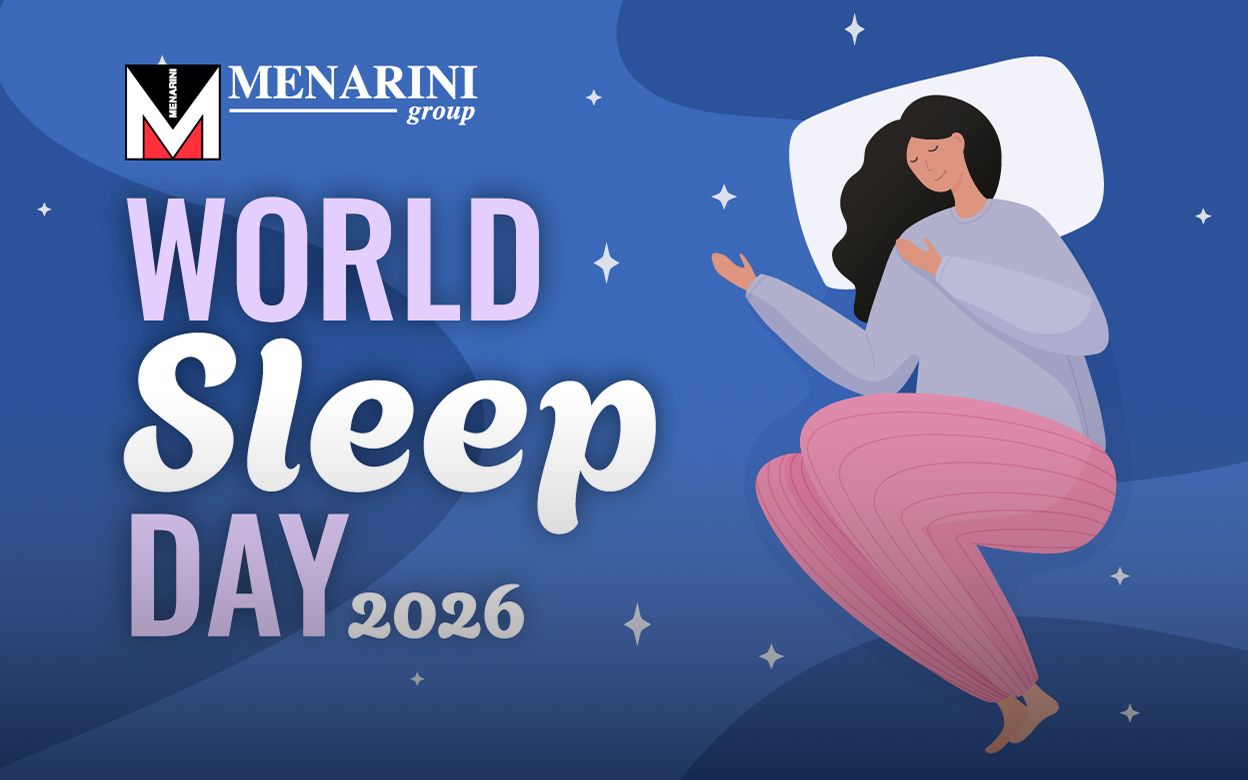
Adequate sleep is not a luxury nor a secondary consideration, it is an essential component of good health.
In a society increasingly defined by demanding schedules, pervasive digital connectivity, and ever-increasing professional obligations, sleep quality has emerged as a decisive factor in the preservation of both physical and mental balance.
March 13, 2026 marks World Sleep Day, a global initiative established by the World Sleep Society in 2008 with the objective of raising awareness among institutions, healthcare professionals, and the general public regarding the critical importance of restorative rest. This year’s theme, Sleep Well, Live Better, conveys a clear and scientifically substantiated message: improved sleep yields measurable improvements in quality of life.
The World Sleep Society identifies sleep as a fundamental determinant of overall health, comparable in significance to nutrition and physical activity.
During sleep, the body undergoes essential physiological processes – particularly within the central nervous system – including memory consolidation, emotional regulation, cognitive restoration, and hormonal balance.
It is therefore unsurprising that human beings dedicate approximately one-third of their lives to sleep. When this primary biological function is compromised, the consequences for overall well-being can be considerable.
When Sleep is Insufficient or Disrupted
 Major international health institutions such as WHO emphasize that sleeping too little or poorly is associated with an increased risk of cardiovascular diseases, such as heart attack and stroke, as well as metabolic disorders including obesity, type 2 diabetes, and metabolic syndrome.
Insufficient sleep also affects eating behaviors, promoting a higher caloric intake and making weight management more difficult. Essentially, those who sleep less eat more and struggle to burn excess calories. In addition to these effects, there are mental and emotional consequences: difficulty concentrating, reduced decision-making skills, irritability, and a greater susceptibility to stress. Even physical appearance is affected: the skin of those who get little sleep tends to lose its elasticity and firmness.
Good Sleep Through Healthy Habits
According to expert studies, most adults require an average of 7–8 hours of sleep per night, although individual needs may vary. It is not just the duration that matters, but also the continuity of rest: frequent nighttime awakenings and so-called fragmented sleep significantly reduce the quality of recovery.
Major scientific societies agree on several best practices to promote regular sleep, such as:
- Maintaining consistent schedules: Go to bed and wake up at the same time every day as much as possible;
- Winding down before bed: Avoid physical exercise, as well as mentally or emotionally stimulating activities, right before bedtime;
- Limiting screen time: Reduce exposure to digital screens in the evening hours, as blue light interferes with melatonin production;
- Watching your diet: Reduce the consumption of caffeine, energy drinks, alcohol, spicy food, and heavy meals in the evening.
World Sleep Day 2026: A Global Message for Everyday Well-being

Events related to World Sleep Day 2026 take place worldwide throughout the month of March, involving clinics, universities, research centers, and healthcare professionals. The World Sleep Society, a non-profit scientific organization, coordinates international outreach and awareness activities, promoting a sleep culture based on shared scientific evidence.
The message of this edition is clear and accessible to everyone: sleeping well means living better. A good night’s rest not only guarantees energy upon waking, but also plays a crucial role in a healthier, more balanced, and mindful life. Taking care of your sleep is a daily choice with long-lasting effects on health and quality of life, both today and in the future.